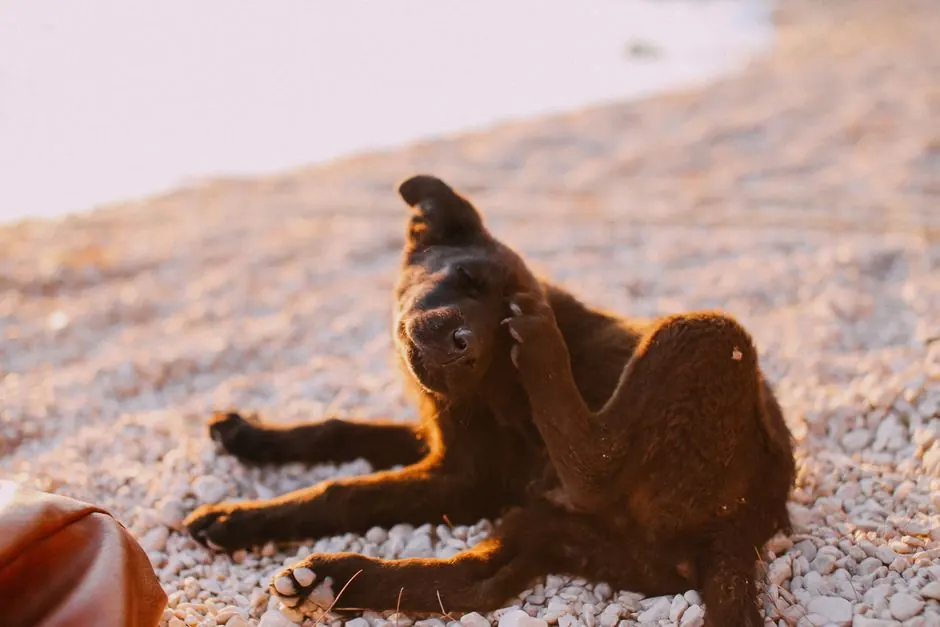
As a dog owner, seeing your furry friend scratch incessantly can be concerning. The primary cause is often fleas or ticks, which are prevalent in North Carolina. This article will explore the reasons behind your dog's scratching, the life cycle of fleas and ticks, effective control methods, and when to seek professional help.
Understanding Fleas and Ticks
Fleas and ticks are external parasites that can cause significant discomfort to your pets. Fleas are small, wingless insects that feed on the blood of mammals, while ticks are arachnids that attach to the skin of animals to feed. Both can lead to serious health issues if not managed properly.
Symptoms of Flea and Tick Infestation
Identifying a flea or tick infestation early can save your dog from discomfort. Common symptoms include:
- Excessive scratching or biting at the skin
- Red or irritated skin
- Flea dirt (small black specks) on the skin or bedding
- Hair loss or bald patches
- Visible fleas or ticks in the fur
If you notice these signs, it's essential to act quickly to relieve your dog's discomfort and prevent further infestation.
Flea and Tick Life Cycle
Understanding the life cycle of fleas and ticks is crucial for effective control. Fleas go through four stages: egg, larva, pupa, and adult. A single flea can lay up to 50 eggs per day, leading to rapid population growth. Ticks, on the other hand, have a life cycle that includes egg, larva, nymph, and adult stages, with each stage requiring a blood meal to progress. This knowledge can help you target specific stages during treatment.
Effective Flea and Tick Control Methods
To effectively manage fleas and ticks, consider the following methods:
- Topical Treatments: These are applied directly to your dog's skin and can be very effective against adult fleas and ticks.
- Oral Medications: These can prevent flea infestations and kill adult fleas and ticks. Consult your vet for the best options.
- Flea Collars: These can provide long-term protection and are easy to use.
- Environmental Control: Regularly vacuum your home and wash your dog's bedding to remove eggs and larvae. Consider professional flea and tick control for your home.
In North Carolina, the warm and humid climate creates an ideal breeding ground for these pests. Therefore, consistent prevention measures are vital.
Common Mistakes in Flea and Tick Control
Many pet owners make common mistakes that can hinder effective flea and tick control:
- Not treating the environment: Treating only your pet without addressing the home can lead to re-infestation.
- Inconsistent treatment: Skipping doses or not following through with a treatment plan can allow pests to rebound.
- Using ineffective products: Always consult your veterinarian to choose the right products for your dog's specific needs.
Being aware of these pitfalls can help you maintain a pest-free environment for your dog.
When to Call a Professional
If your dog continues to scratch despite your efforts or if you notice signs of infection, it's time to seek professional help. At North Carolina Pest Control, we offer comprehensive flea and tick control services tailored to your needs. Our experts can assess your situation and provide effective solutions to protect your pet and home.
Frequently Asked Questions
1. How can I tell if my dog has fleas or ticks?
Look for signs like excessive scratching, flea dirt, or visible pests in your dog's fur. A thorough inspection of your dog's skin can help identify these pests.
2. Are fleas and ticks harmful to my dog?
Yes, fleas can cause anemia and skin infections, while ticks can transmit diseases like Lyme disease. Prompt treatment is essential for your dog's health.
3. How often should I treat my dog for fleas and ticks?
Consult your veterinarian for a treatment schedule. Generally, monthly treatments are recommended during peak seasons.
4. Can fleas and ticks affect humans?
Yes, both can bite humans and cause discomfort. Fleas can also lead to allergic reactions in sensitive individuals.
5. What should I do if I find ticks on my dog?
Remove the tick with fine-tipped tweezers, pulling straight out without twisting. Clean the area and monitor for signs of infection.
Get help with Pest Control in North Carolina
Protect your dog from fleas and ticks with expert help. Contact us at 18778400729 for professional pest control solutions tailored to your needs.