Finding wasps building nests in your Durham yard can be concerning. These pests are not only annoying but can also pose a risk to your safety, especially if someone in your household is allergic. In this article, we will explore the reasons why wasps are drawn to your property, how to identify their nests, and the best ways to manage them effectively.
Understanding Wasp Behavior
Wasps are social insects that live in colonies, and their nesting behavior is closely tied to their reproductive cycle. During the warmer months, particularly in spring and summer, female wasps search for suitable locations to build nests. This is when you are most likely to see them in your yard.
Wasps are attracted to areas where they can find food, water, and shelter. They typically prefer elevated locations such as trees, eaves, or fences. Understanding their behavior can help you take proactive measures to prevent nests from forming.
Common Types of Wasps in Durham
In Durham, several species of wasps may take up residence in your yard. The most common include:
- Yellow Jackets: These are aggressive wasps known for their black and yellow stripes. They often build nests underground or in wall cavities.
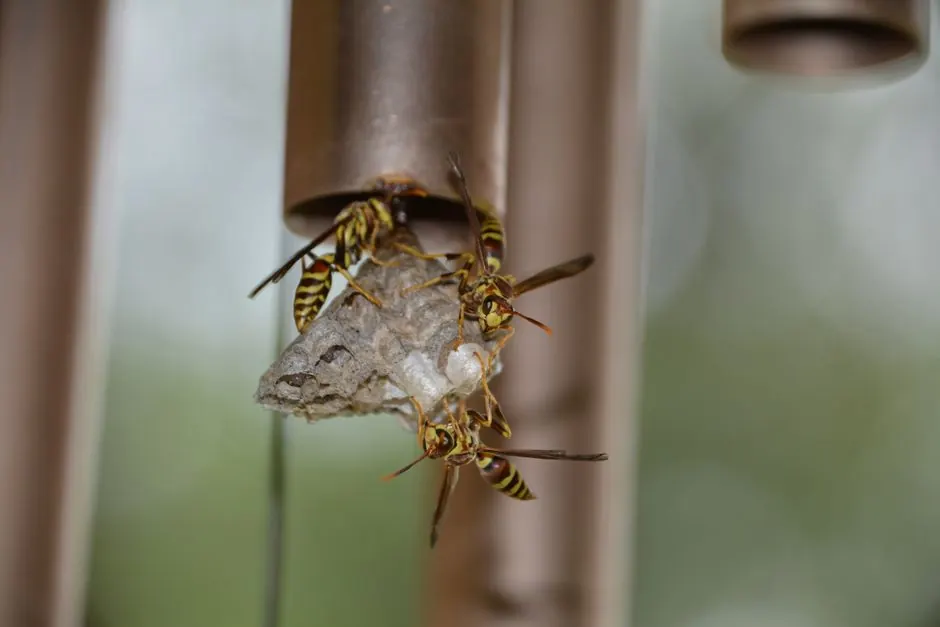
- Paper Wasps: Recognizable by their long legs and thin bodies, paper wasps create open, umbrella-shaped nests in sheltered areas.
- Bald-Faced Hornets: A type of yellow jacket, these wasps build large, football-shaped nests high in trees or on structures.
Each species has unique nesting habits and levels of aggression, so identifying them can help you decide how to manage a nest effectively.
Signs of Wasp Nests
Identifying a wasp nest early can prevent larger infestations. Look for the following signs:
- Increased wasp activity around your home.
- Visible nests in trees, under eaves, or in attics.
- Holes or entry points in the ground or walls.
If you notice these signs, it may be time to take action to prevent the wasps from becoming a larger problem.
Why Wasps Choose Your Yard
Your yard can be an attractive location for wasps for several reasons:
- Food Sources: Wasps are attracted to sweet substances, including fruit and sugary drinks, as well as protein sources like insects.
- Water Sources: Standing water, bird baths, and pet bowls can draw wasps to your yard.
- Shelter: Overgrown shrubs, trees, and undisturbed areas provide ideal nesting sites.
By managing these factors, you can reduce the likelihood of wasps nesting in your yard.
What to Do If You Find a Wasp Nest
If you discover a wasp nest in your yard, it is crucial to approach the situation carefully:
- Assess the situation: Determine the type of wasp and the nest's location.
- Do not attempt to remove the nest yourself, especially if it is large or the wasps are aggressive.
- Contact a professional for safe Wasp and Hornet Removal in North Carolina to handle the situation.
Professional pest control services can ensure that the nest is removed safely and effectively, minimizing the risk of stings.
Common Mistakes to Avoid
When dealing with wasps, it's essential to avoid common pitfalls:
- Attempting to remove a nest without proper gear or knowledge.
- Using DIY methods that may not effectively eliminate the nest.
- Ignoring signs of wasp activity until it becomes a larger issue.
By avoiding these mistakes, you can better protect yourself and your home from wasps.
When to Call a Professional
It's advisable to call a professional pest control service when:
- The nest is large or difficult to reach.
- You or someone in your household is allergic to wasp stings.
- You notice increased aggression from the wasps.
At North Carolina Pest Pros, our experienced technicians can handle wasp infestations safely and effectively. We offer comprehensive pest control solutions tailored to your needs.
Frequently Asked Questions
1. How do I know if I have a wasp nest?
Look for increased wasp activity, especially in late summer, and check for visible nests in trees or under eaves.
2. Can I remove a wasp nest myself?
It is not recommended to remove a wasp nest on your own due to the risk of stings. Professional help is safer.
3. What attracts wasps to my yard?
Wasps are attracted to food sources like ripe fruit and sugary drinks, as well as sheltered areas for nesting.
4. Are wasps dangerous?
While wasps can sting, they typically only do so when threatened. Allergic reactions can be serious, so caution is advised.
5. How can I prevent wasps from nesting?
Keep your yard clean, remove food sources, and seal potential nesting sites to deter wasps.