If you've found ants marching through your kitchen, you're not alone. Ants are common household pests that can invade your space, often in search of food and shelter. Understanding why these pests are in your kitchen is essential for effective management and prevention. In this article, we'll explore the reasons behind ant infestations in North Carolina kitchens and provide practical solutions to keep them at bay.
Understanding Ant Behavior
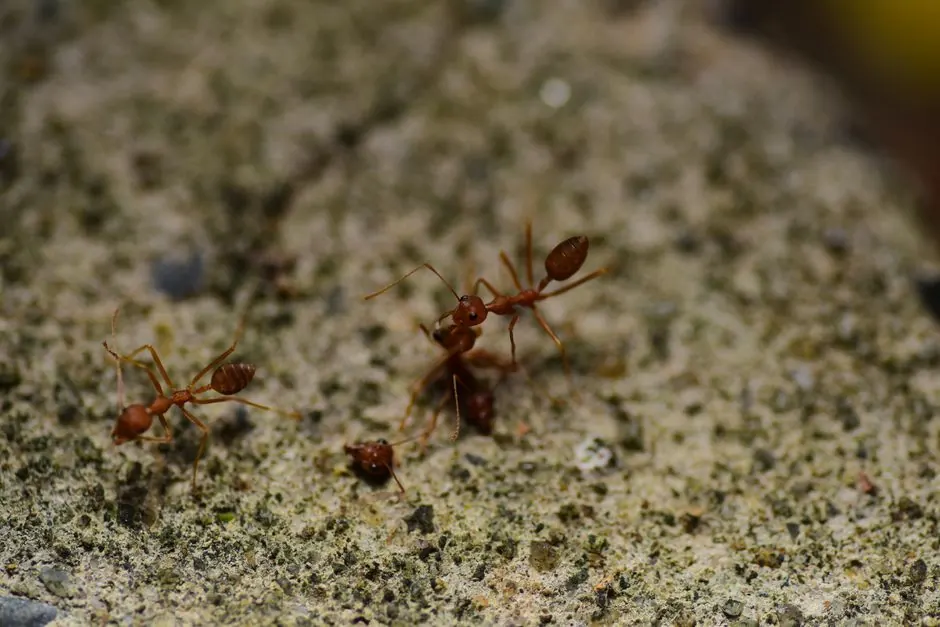
Ants are social insects that live in colonies, which can consist of thousands of individuals. They communicate and work together to find food and build their nests. When you see ants in your kitchen, it often means they are on a foraging mission. They leave pheromone trails to guide other ants to food sources, making it crucial to eliminate these trails to prevent further infestations.
Common Types of Ants in North Carolina
North Carolina is home to several ant species that can invade homes, particularly kitchens. The most common types include:
- Carpenter Ants: These ants prefer wood and can cause structural damage.
- Argentine Ants: Known for their large colonies, they are often found in kitchens.
- Pavement Ants: These ants are typically found outdoors but can enter homes in search of food.
- Odorous House Ants: They emit a strong odor when crushed and are common household pests.
Each species has different behaviors and nesting habits, influencing how you should approach control measures.
Attractants for Ants in Your Kitchen
Understanding what attracts ants to your kitchen can help you eliminate their presence. Common attractants include:
- Food Sources: Ants are drawn to sugary substances, grease, and protein. Common kitchen items like fruit, crumbs, and pet food can attract them.
- Moisture: Ants need water to survive, making sinks and leaky pipes potential hotspots.
- Warmth: Kitchens are often warmer than other areas of the house, especially during cooking, making them inviting for ants.
By addressing these attractants, you can significantly reduce the likelihood of an ant invasion.
Preventing Ant Infestations
Preventing ants from entering your kitchen requires a multi-faceted approach:
- Seal Entry Points: Inspect your home for cracks and gaps in windows, doors, and foundations. Sealing these entry points can deter ants from entering.
- Maintain Cleanliness: Regularly clean your kitchen, focusing on countertops, floors, and under appliances. Store food in airtight containers to eliminate food sources.
- Reduce Moisture: Fix leaks and ensure proper ventilation to keep your kitchen dry.
- Use Natural Deterrents: Sprinkling diatomaceous earth or using vinegar solutions can help repel ants without harmful chemicals.
These preventive measures can significantly lower your chances of encountering ants in your kitchen.
When to Call a Professional
If you've tried these methods and still find ants in your kitchen, it may be time to call in the experts. Professional Ant Control in North Carolina can provide targeted treatments that address the specific ant species invading your home. They can also help identify and seal entry points that you might have missed.
Frequently Asked Questions
How do I know if I have an ant infestation?
If you see multiple ants in your kitchen or notice trails leading to food sources, you likely have an infestation.
Can ants damage my home?
Some ants, like carpenter ants, can cause structural damage by nesting in wood. It's important to address these infestations quickly.
What are the best home remedies for ant control?
Mixing vinegar and water or using diatomaceous earth can be effective natural remedies for repelling ants.
How long does it take to get rid of ants?
It can take a few days to a couple of weeks to eliminate ants, depending on the size of the infestation and the methods used.
Is professional pest control worth it?
Yes, professional pest control can provide long-term solutions and prevent future infestations, especially for persistent problems.
Get help with Pest Control in North Carolina
If you're dealing with an ant problem in your kitchen, don't hesitate to reach out. Our team at North Carolina Pest Pros is ready to help you eliminate these pests effectively. Call us today at 18778400729 for a consultation.